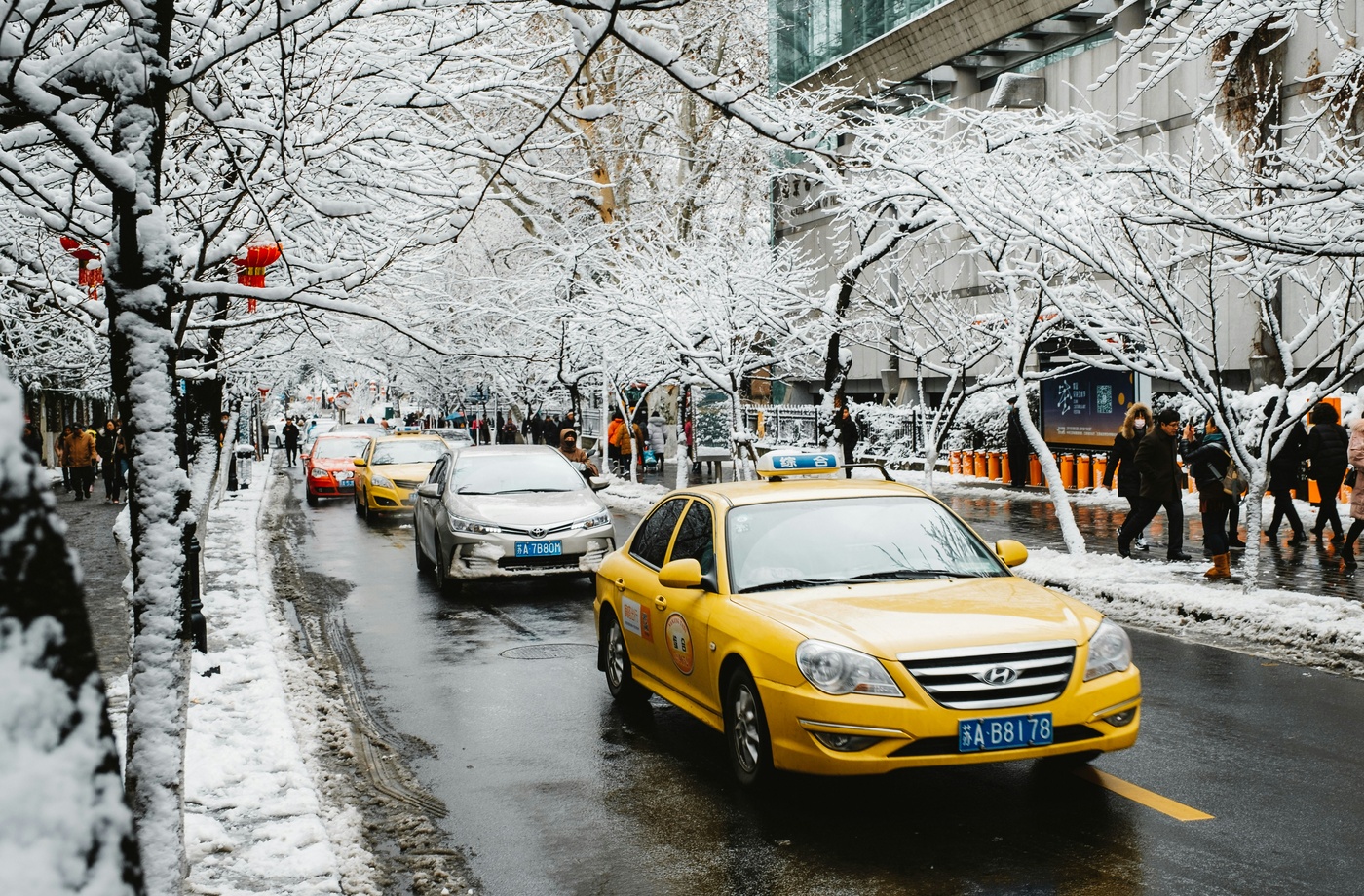
Taxi rides offer a fast and convenient way to travel, but if you’re not paying attention, you might be spending more than you realize. Beyond the base fare and standard mileage charges, several hidden fees can inflate the total cost of your trip—especially in cities with complex fare structures.
Here’s a breakdown of the most common hidden taxi fees, and how you can avoid or offset them using smart planning and cashback tools.
- Airport Surcharges
Many airports impose an additional flat fee for pickups or drop-offs. For example, at JFK Airport, a $1.25 surcharge is added to all taxi pickups, and some flat-fare trips to Manhattan also include tolls and a state tax.
These surcharges aren’t always shown upfront on the meter—they’re added at the end of the trip, making it easy to overlook until it’s too late.
- Peak Hour or Night Fees
Cities like Chicago and San Francisco charge extra for rides during designated peak hours or late-night windows. These can add $1–$3 to your fare depending on local regulations. For example, in San Francisco, there’s an additional $3 fee for rides between 9 p.m. and 5 a.m..
Always check the local taxi authority’s website or request fare info from your driver before starting the trip.
- Credit Card Processing Fees
Some taxi companies pass the cost of card processing onto the customer—typically an extra 3%–5%. While this may seem minor, it adds up over time. Paying with a digital gift card or virtual wallet is often a better alternative, especially when you can earn cashback with an Uber gift card or get rewards with a Lyft gift card by purchasing through a platform like Fluz.
If you’re using a taxi app like Curb, you may also be able to earn cashback with Curb, depending on availability.
- Baggage and Passenger Surcharges
In some areas, taxi drivers can legally charge extra for luggage, additional passengers, or even if you request the trunk be used. These fees are typically posted on a fare sticker inside the vehicle, but they’re easy to miss—especially when you’re rushing with suitcases or traveling in a group.
To avoid surprises, ask about extra charges before loading in your bags or confirming a group ride.
- Route Inefficiencies and Traffic Delays
Most taxi fares include a per-minute charge when the vehicle is idle or moving slowly—common during red lights or heavy traffic. If a driver takes a longer-than-necessary route, intentionally or otherwise, you could be paying significantly more than expected.
How To Offset These Hidden Fees
Even when fees are unavoidable, there are ways to reduce the impact. Start by using a fare calculator before you ride to anticipate total costs. Then, choose payment methods that offer rewards.
By using cashback apps like Fluz, you can minimize your real out-of-pocket cost. For example, if you know your trip will cost $25, buying a $25 gift card through Fluz means you’ll earn cashback with a Lyft gift card or Uber card—effectively neutralizing some of those extra fees.